







Rosé at the Table: What Does It Actually Pair Well With?
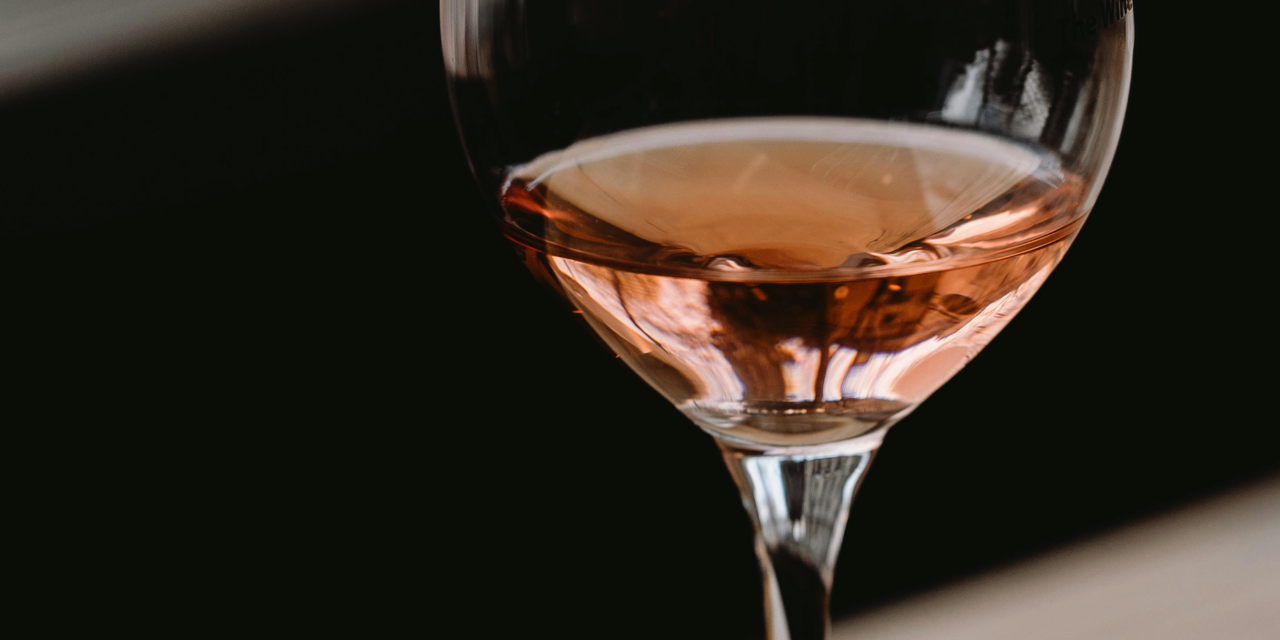
Rosé has somehow earned the reputation of being the wine that goes with everything. Seafood? Rosé. Salad? Rosé. Something spicy? Apparently rosé again. And while I love a wine that makes choosing what to pour a little easier, “it pairs with everything” seems almost too convenient.
Because not all rosés are the same. Some are pale, crisp and barely fruity; others are fuller, sweeter, more structured or intensely fruit-forward. Put those wines next to the same plate and you’re probably not going to get the same result.
So rather than asking what food pairs with rosé, maybe the better question is: what kind of rosé are we pouring—and what does that particular style bring to the table?
Rosé Isn’t One Wine
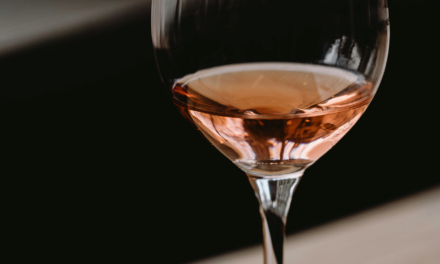
That beautiful pink color may make the category look fairly straightforward, but what’s inside the glass can be anything but. Depending on the grapes, region, winemaking and level of sweetness, one rosé can be light and crisp while another can have considerably more fruit, body and structure.
And that’s where food pairing gets interesting.
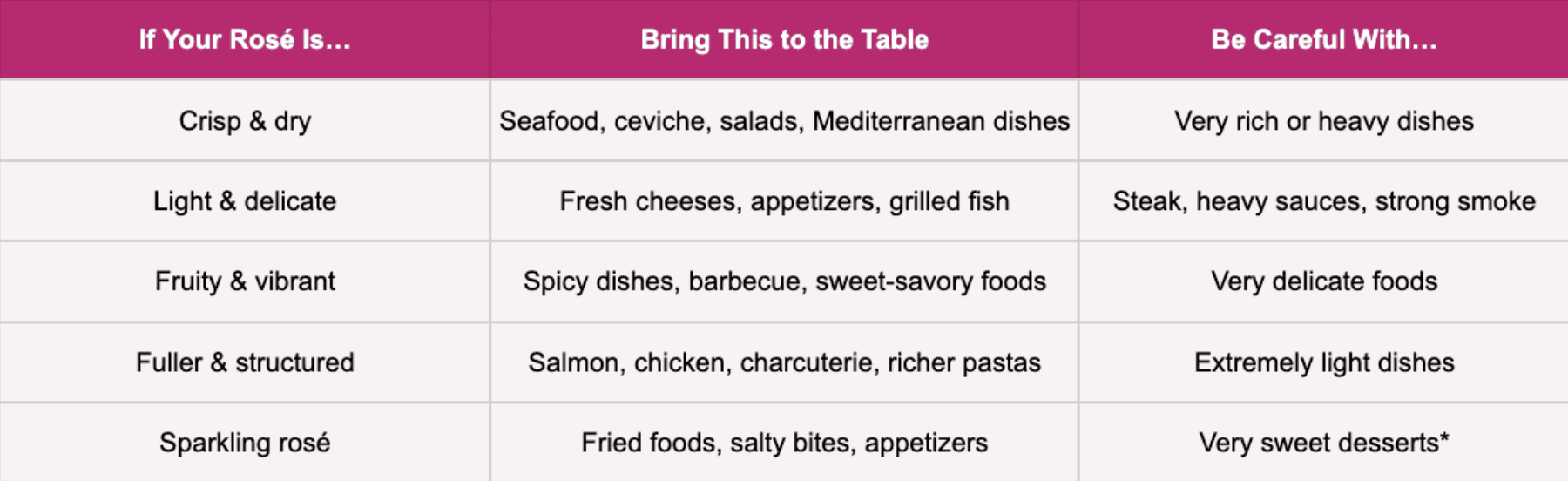
The style of rosé → what it brings to the table → the foods that can work with it
A dry, high-acid rosé can bring freshness to a dish and help cut through richness. A fruitier style can play against heat or complement sweet-and-savory flavors. Give rosé a little more body and structure, and suddenly we’re no longer limited to salads and seafood—we can start talking about chicken, salmon, charcuterie and dishes with considerably more weight.
That’s also why I don’t completely buy the idea that rosé simply “pairs with everything.” Versatile? Absolutely. Foolproof? Not quite.
And figuring out where it doesn’t work might actually tell us just as much about rosé as figuring out where it does.
Rosé Isn’t One Grape—or a Blend, Necessarily
Rosé isn’t a grape variety, and it isn’t necessarily a blend either. It can be made from a single red grape—Grenache, Pinot Noir, Syrah, Sangiovese and many others—or from a combination of varieties. And despite what some may think, rosé generally isn’t simply a red wine mixed with a white wine to get something pink in between. What makes it rosé has much more to do with how the wine is made, particularly how much contact the juice has with the grape skins.
In one of the most common methods, that contact is relatively brief compared with red wine. The skins provide color, but they can also contribute flavor, structure and tannin, so how the grapes and skins are handled helps explain why one rosé can feel incredibly delicate while another has noticeably more weight and grip. We’ll save the full winemaking lesson for another pour; for now, that difference matters because what ends up in the glass determines what we should put next to it on the plate.
Crisp & Dry: The Easy Place to Start
Crisp + high acidity → freshness & palate-cleansing → seafood, salads, Mediterranean dishes & light pastas
If there’s an easy place to start with rosé and food, it’s probably with the crisp and dry styles. Their acidity brings freshness to the table, which is why they work so naturally with lighter dishes. Think grilled fish, shrimp, fresh salads, Mediterranean flavors, light pastas, or anything with plenty of herbs, citrus, tomatoes or olive oil. The wine isn’t necessarily trying to compete with what’s on the plate—it can refresh your palate between bites and let you go right back for another.
And then there’s summer. Rosé may have become almost ridiculously associated with sunshine, pools and beaches, but there’s actually some logic once food enters the picture. Salty seafood + something cold, crisp and acidic is a pretty great combination. Think oysters, shrimp, ceviche, grilled fish or even a simple beachside spread of cheeses, fruit and something salty. Suddenly that chilled glass of rosé isn’t there just because it looks good against the sunset.
That said, crisp and dry doesn’t mean flavorless. Depending on the wine, you can still find strawberry, citrus, watermelon, peach, herbs or even a little minerality—the acidity simply keeps everything feeling bright rather than heavy. And for me, that’s where this style earns its reputation as one of the easiest rosés to bring to the table.
At the table: seafood • ceviche • salads • Mediterranean dishes • light pasta • fresh cheeses • salty appetizers
When Rosé Gets a Little Bolder
More fruit + more body/structure → greater intensity → salmon, chicken, charcuterie, barbecue & mildly spicy dishes
This is where we break away from the idea that rosé belongs only next to salads and delicate seafood. A rosé with more body, fruit or structure can handle considerably more on the plate. Salmon is an easy example, but roasted or grilled chicken, charcuterie, richer pasta dishes and even barbecue can work depending on the bottle.
Fruitier rosés can also be really interesting with some heat. A little ripe fruit can soften the perception of spice, particularly when the dish has that sweet-spicy combination. The important part is matching intensity: the more flavor happening on the plate, the more you need the rosé to show up too.
So… What Doesn’t Rosé Pair Well With?
For something we constantly call versatile, rosé does have its limits. A very delicate, dry rosé can practically disappear next to a heavy steak, intensely rich sauce or deeply smoky dish. On the other side, a noticeably fruity or sweeter rosé may feel awkward next to something extremely delicate—the wine can suddenly become the loudest thing at the table.
And sometimes the problem isn’t the food itself but the specific rosé you chose. That’s really the point of this whole article: asking “Does rosé pair with this?” may be the wrong question. Ask “Does this rosé pair with this?” instead.
A Seat at the Table