



Grape Varieties, Bold Wines, Red Wines
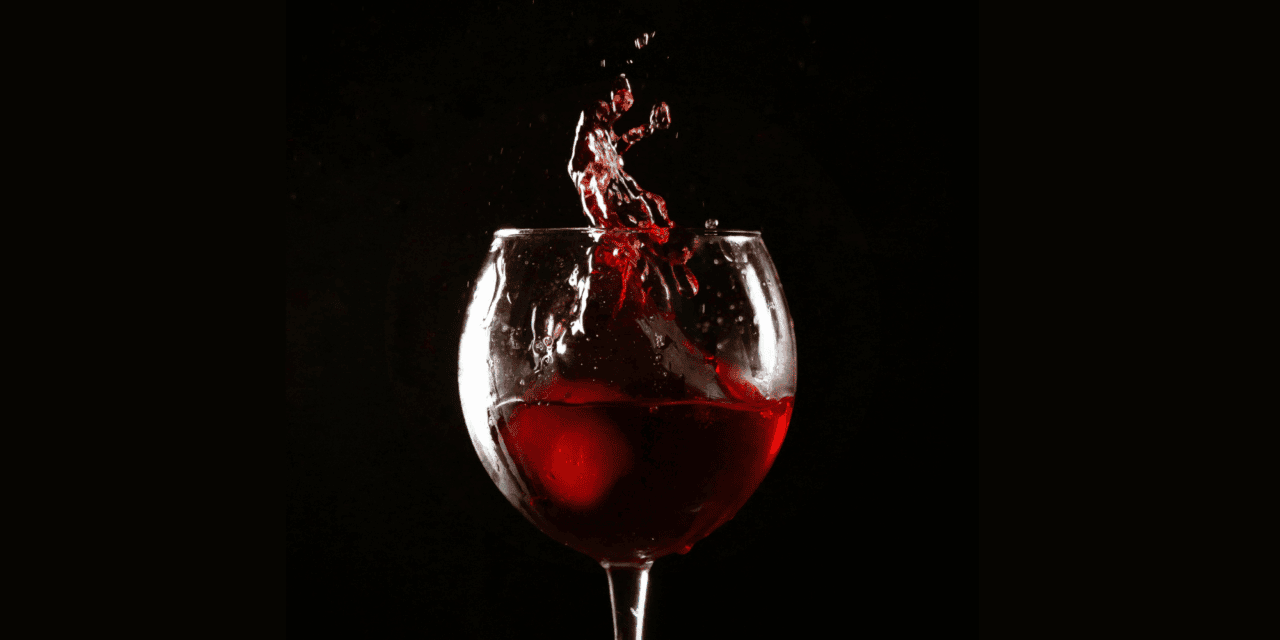
Bold red wines have a way of making an impression. They’re the wines that feel fuller on the palate, linger longer after each sip, and often stand up effortlessly to rich food and strong flavors. Understanding what makes a red wine “bold” helps you choose bottles with confidence—whether you’re exploring grape varieties or simply looking for a wine with presence and depth.
What Makes a Red Wine “Bold”?
When we describe a red wine as bold, we’re usually talking about body. A full-bodied wine feels heavier and more substantial in the mouth, almost like the difference between skim milk and whole milk. These wines tend to have more weight and richness, giving them a stronger overall presence compared to lighter reds.
Another key factor is tannins, which come from grape skins, seeds, and sometimes oak aging. Tannins create that drying, slightly grippy sensation on your gums. In bold red wines, tannins are often more noticeable, adding structure and depth while helping the wine age and hold up to robust flavors.
Alcohol and flavor intensity also play a role. Bold reds often have slightly higher alcohol, which contributes to warmth and fullness. Their flavors are typically concentrated and expressive—think dark fruits, spice, savory notes, or earthy undertones. Together, these elements create wines that are powerful, confident, and anything but subtle.
Classic Bold Red Grape Varieties to Know
Some grape varieties are naturally suited to making bold red wines. Thick skins, strong structure, and concentrated flavors allow these grapes to produce wines with depth, power, and personality. While there are many bold reds around the world, these five grapes are some of the most recognizable and reliable places to start.
Cabernet Sauvignon
Known for its firm structure and intense dark fruit flavors, Cabernet Sauvignon often delivers notes of blackcurrant, blackberry, and cedar, supported by noticeable tannins. It’s one of the most structured red wines, especially when aged in oak.
This grape is often associated with age-worthy wines and classic regions, making it a cornerstone of bold red wine styles.
Tempranillo
Tempranillo combines savory character with bold yet balanced structure. Flavors often include red and dark fruit, leather, dried herbs, and earthy undertones, especially with aging.
Its natural acidity and tannins make it both powerful and food-friendly, which is why it shines in traditional, structured red wines.
Syrah / Shiraz
Syrah (also known as Shiraz) produces deeply colored wines with intense flavors of dark fruit, black pepper, smoke, and spice. Depending on where it’s grown, it can range from elegant and savory to rich and powerful.
This grape is a great example of boldness driven by both flavor concentration and aromatic intensity.
Malbec
Malbec is known for its plush, velvety texture and dark, ripe fruit character, often featuring blackberry, plum, and cocoa notes. While its tannins are present, they tend to be softer and more approachable than some other bold reds.
This makes Malbec an excellent entry point for those exploring fuller-bodied red wines.
Zinfandel
Zinfandel delivers boldness through ripeness and intensity. Expect jammy fruit, spice, and often higher alcohol, which contributes to its rich, warming style.
It’s a grape that emphasizes power and expressiveness, especially in warmer-climate examples.
Other Bold Red Grapes Worth Exploring
If you enjoy these styles, you may also want to explore:
-
Petit Verdot
-
Mourvèdre (Monastrell)
-
Nebbiolo
-
Aglianico
-
Tannat
Cabernet Sauvignon: Structure Takes the Lead
Cabernet Sauvignon is often what people picture when they think of a bold red. Its fuller body, firm tannins, and concentrated dark fruit give it plenty of presence, particularly in warmer regions and oak-aged expressions. Compared with softer reds like Malbec, Cabernet tends to feel more structured and gripping on the palate—which is also why it can work so well with richer foods.
Tempranillo: Bold with Old-World Character
Tempranillo is one of Spain’s most important red grape varieties, long valued for its ability to produce structured, age-worthy wines with depth and balance. Naturally moderate to high in alcohol, Tempranillo typically pours a deep ruby to garnet color, often showing a slight brick or amber hue at the rim as it ages. In the glass, it feels composed rather than overpowering, with flavors of red and dark fruit layered with leather, dried herbs, tobacco, and subtle earthiness.
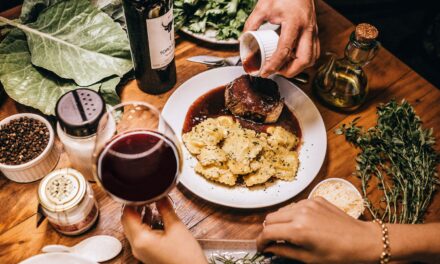
Where Tempranillo truly excels is at the table, especially with steak and grilled meats. Its firm tannins interact beautifully with fat, softening on the palate while enhancing savory flavors. On a cool evening, the wine’s structure and warmth feel grounding; on a warmer day, its acidity keeps the pairing balanced and refreshing. Whether the steak is simply seasoned or cooked over an open flame, Tempranillo brings out umami notes and depth without overwhelming the dish. For a deeper look at why this pairing works so well, see Tempranillo & Steak: A Classic Spanish Pairing.
Zinfandel: Boldness From the Fruit Up
Zinfandel gets to boldness a little differently. Rather than relying primarily on firm tannic structure, it often brings ripe, sometimes jammy fruit, generous body, spice, and higher alcohol. That can make it feel big and warming without necessarily having Cabernet’s grip. It’s a good reminder that “bold” doesn’t describe just one sensation—one wine can get there through structure, another through ripeness and intensity.
Bold Red Wine Styles Beyond the Grape
Some of the boldest red wines aren’t defined by a single grape, but by how the wine is made and matured. Oak-aged reds, such as Reserva and Gran Reserva styles, develop deeper complexity through time in barrel. Oak aging adds structure and layers of spice, vanilla, smoke, or cedar, giving these wines a more powerful and polished presence in the glass.
Old-vine red wines are another style known for natural intensity. Vines that are decades old tend to produce fewer grapes, but with greater concentration. The resulting wines often show depth, balance, and a sense of place that feels rich without being heavy, making them especially appealing to lovers of bold yet refined reds.
Boldness can also come from ripe-climate, higher-alcohol red wines. Warmer growing regions allow grapes to reach full ripeness, leading to wines with fuller body, darker fruit flavors, and a warming finish. Expressive styles like California Cabernet Sauvignon, Australian Shiraz, and some Argentine Malbecs often showcase this richness, offering generous texture and immediate impact in every sip.
Finally, blends built for power and balance deserve special attention. Blending allows winemakers to combine structure, aroma, and richness into a cohesive whole. Classic examples include Bordeaux-style blends and modern expressions like Super Tuscans, where multiple grape varieties work together to create bold, layered wines that are greater than the sum of their parts.
Choosing the Right Bold Red for Your Table
When choosing a bold red wine, think about matching intensity rather than following strict rules. Rich, flavorful dishes call for wines with enough body and structure to keep up, while lighter preparations benefit from bold reds that still have balance and freshness. Tannins naturally love protein, which is why structured red wines often shine alongside beef, lamb, and other hearty dishes—but the goal is harmony, not dominance.
The best pairings come from balancing richness, not simply defaulting to “red meat equals red wine.” Consider how the wine’s texture, acidity, and flavor concentration interact with the food on your plate. A well-chosen bold red should enhance the meal, not overpower it. For more detailed guidance and examples, see Perfect Pairings: Finding the Right Wine for Hearty Beef Dishes. Ultimately, confidence comes from exploration—trust your palate, enjoy the process, and let bold red wines elevate the experience.