






Perfect Pairings: Finding the Right Wine for Hearty Beef Dishes
For the Home Cook Who Wants to Impress
Not sure if you’ve experienced this, but there’s something special about stepping into a cozy kitchen. Big or small, it doesn’t matter — the scent of a slow-cooked beef dish filling the air and a glass of wine waiting nearby (even if it’s just in my thoughts) sets the perfect scene. It’s that kind of simple comfort that can turn an ordinary evening into something memorable.
Pairing wine with beef isn’t just for fancy restaurants. With the right bottle, even a weeknight casserole or skillet steak can feel a little more elevated — no sommelier required.
Understanding Beef + Wine Basics
Beef and wine are a natural match, but the “best” pairing isn’t always the boldest bottle on the shelf. The cut of beef, how it’s cooked, and even the sauce on the plate all play a role in what works best. A rich, slow-braised short rib calls for a deeper, fuller-bodied red to complement its intensity, while a leaner cut like flank steak or a simple skillet sear can shine with a lighter, fruit-forward medium-bodied wine. It’s less about rules and more about balance, letting the wine highlight the flavors without overpowering them.
At the heart of pairing is understanding tannins and acidity — but don’t worry, no textbook needed here. Tannins are what give red wines that slight dryness or grip, and they pair beautifully with the richness of beef, especially fattier cuts. Acidity, on the other hand, brings brightness and keeps heavier dishes from feeling too rich. Finding harmony between these elements will make your weeknight dinner feel special.
Bold Choices for Rich, Hearty Dishes
When it comes to slow-cooked casseroles, braised beef, or roasted cuts, bold reds are your best friends. Cabernet Sauvignon offers dark fruit, cedar, and firm tannins that cut through rich, fatty meats. Shiraz or Syrah brings peppery spice, juicy blackberry notes, and a hint of smokiness that enhances grilled or oven-roasted dishes. Malbec is plush, with plum and chocolate undertones, perfect for braised or marinated beef. Zinfandel adds ripe red fruit and a touch of pepper that pairs beautifully with robust sauces.
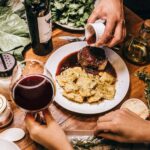
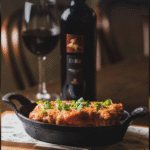
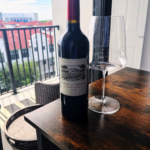
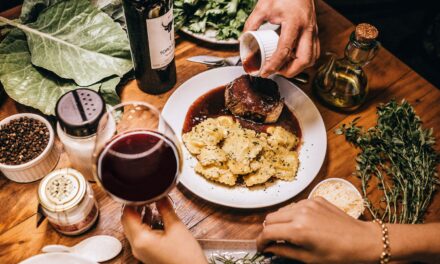
These wines complement hearty dishes because their structure balances richness, while their flavors echo and elevate the natural depth of slow-cooked beef. As you can see, when paired with the right bold red, these homemade choices can feel both cozy and a little indulgent.
Lighter Reds for Softer Flavors
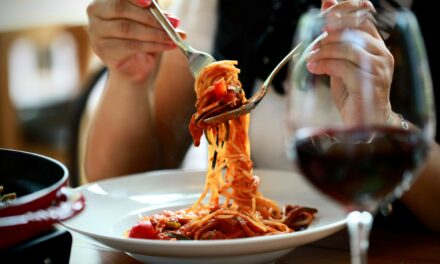
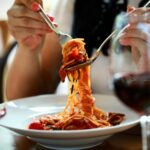
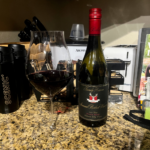
Not every beef dish calls for a powerhouse wine. Lighter reds like Merlot and Pinot Noir shine with softer, milder preparations — think beef pastas, lasagnas, or gently simmered stews. Merlot is smooth and fruit-forward, offering red cherry and plum notes without heavy tannins. Pinot Noir is delicate yet flavorful, with earthy undertones that complement simple, tomato-based sauces.
A quick tip for home cooks: herbs and spices can dramatically shift a dish’s flavor and aroma. Garlic, thyme, rosemary, or paprika can soften or intensify the taste, so use them carefully — not just as garnish, but as a thoughtful addition that works in harmony with the wine. With the right balance, even a casual weekday casserole can feel cozy, elevated, and perfectly paired.
Cooking with Wine vs. Pairing It
Cooking with wine is a simple way to elevate a dish while reinforcing the flavors in the glass. For sauces, deglazing pans, or simmering stews, adding the wine you’ll eventually serve ensures the flavors stay consistent and harmonious. Not sure if you knew, but the main difference between bottled “cooking wine” and your favorite drinking wine is that cooking wine is formulated for shelf stability with added salt and preservatives, which can make it unpalatable and generally not recommended for cooking or drinking.
Most chefs recommend using any decent-quality drinking wine instead of bottled cooking wine to achieve a better, more balanced flavor in your dishes. Using the same wine you’d pour in your glass also keeps everything harmonious — and avoids the harsh or overly salty notes of the typical cooking wine bottle.
When it comes to pairing, remember that pouring a glass is about enhancing the meal rather than building it. Bold reds can stand up to rich, slow-cooked beef, while lighter reds complement milder dishes. A home-cook tip: taste as you go — the wine in the pan and the wine in the glass should complement each other, not compete.
Quick Pairing Guide for Home Cooks
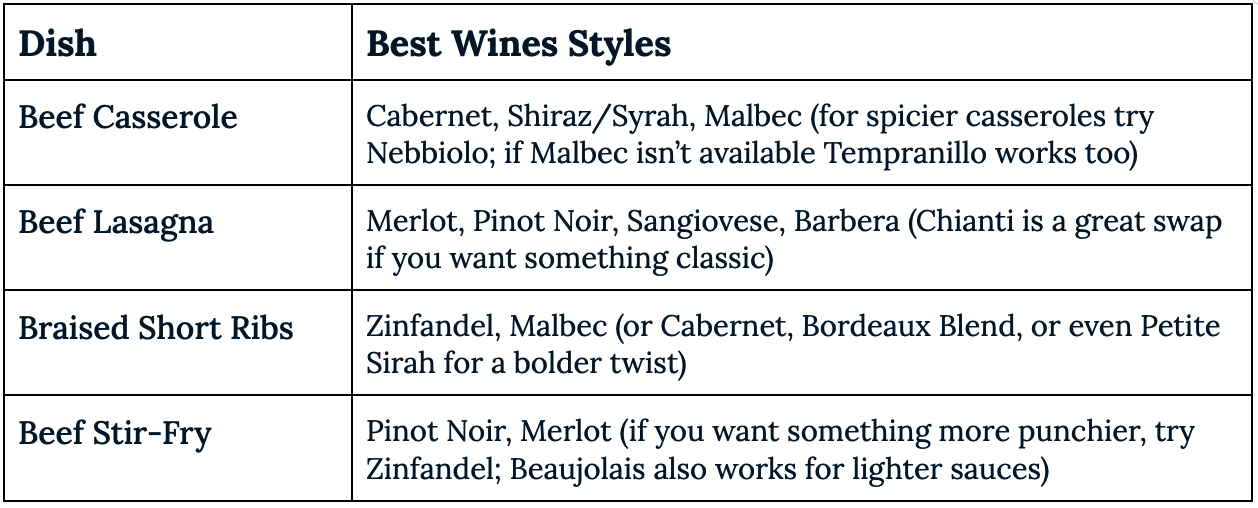
Whether you’re simmering, braising, or just enjoying a weeknight casserole, using a wine you love makes the dish taste better and the meal feel special. Cheers to your cozy kitchen!