







Wine, AI, and the Changing Way We Choose What We Drink
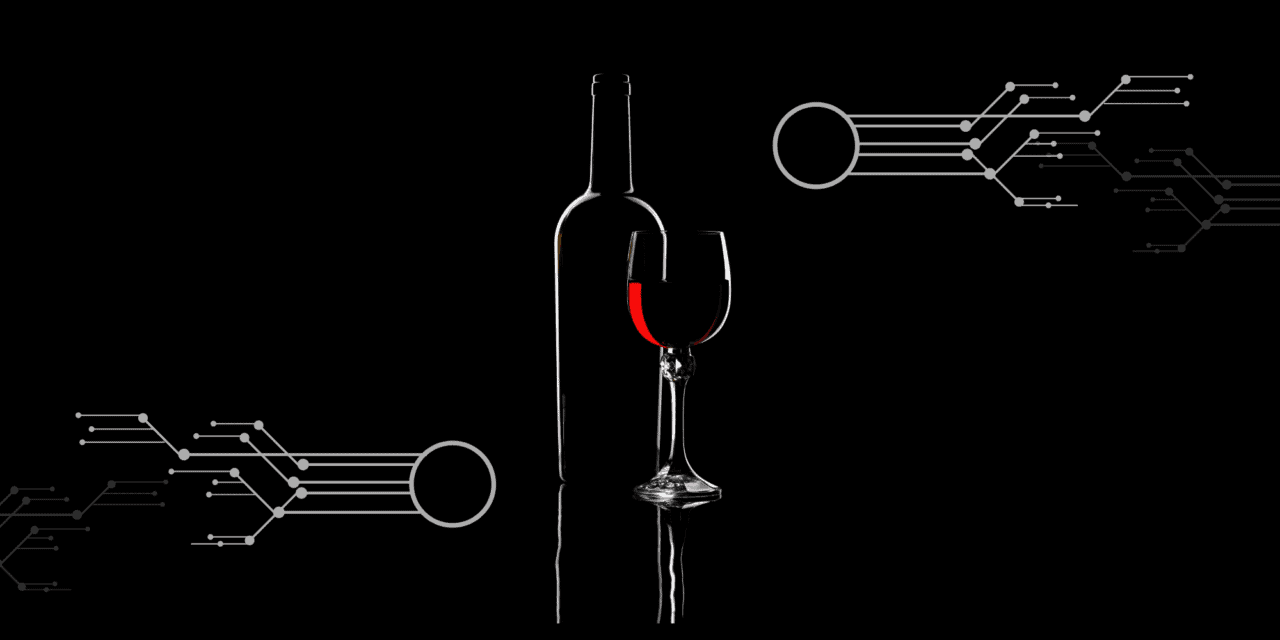
Hmmm… so AI is apparently picking my next bottle now. I hate to admit it, but it’s been right—at least so far. However, it still makes me question: Can AI actually know what I like? Because yes, I’ve picked the bottle, but not every suggestion has interested me—even when I’ve generously contributed to their click-through rate.
.
What is true is that artificial intelligence is becoming part of how people discover, evaluate, and purchase wine. While wine has always been rooted in tradition and sensory experience, technology is playing a growing role in shaping how those choices are made. From tasting tools to recommendation systems, AI is finding its way into the wine experience… BUT—big but here—without replacing its human core. Although a few might say, “for now.”
AI and the Changing Way We Taste Wine
To the delight of some and the concern of others, AI is increasingly being used to analyze patterns in how wines are tasted and described. By comparing flavor profiles, aromas, and structure across large amounts of data, technology can identify similarities that help explain why certain wines appeal to certain drinkers. Yup, I’m sure this sounds familiar—we already see versions of this with clothes, music, movies… you name it. Now wine gets its turn.
This doesn’t mean AI gets to define what tastes good. Instead, it can organize all that sensory information in a way that makes it easier to understand and eventually gets better at recognizing your patterns.
For consumers, this can mean clearer and more consistent tasting notes while helping algorithms better understand your preferences. I actually think this is great if you’re just starting with wine, especially because wine can seem like such a complicated subject at first. Digital tools can point out recurring characteristics across regions and styles and help you make the connection between something you enjoyed in one bottle and what you might want to try next.
Still, preference remains personal. An algorithm can learn that I keep choosing a certain style, but it can’t really tell me why I suddenly loved one particular bottle on one particular night—and that’s part of the fun. So for now, I see AI more as another tool for exploring wine rather than something that gets to dictate what belongs in my glass. Again, at least, so far…
From Scores to Systems: How AI Is Changing Wine Ratings
AI is reshaping wine ratings by shifting focus from single opinions to pattern-based systems. Platforms such as Vivino and CellarTracker analyze millions of user reviews, scores, and tasting notes to identify trends across regions, vintages, and styles. Instead of relying on one critic’s perspective—JS, WE and WS must be thrilled about this—these systems highlight how wines perform across a broad range of palates and experiences.
This approach helps reduce individual bias and adds context to traditional scores. AI-driven analysis can show how a wine compares within its category, how preferences vary by market, or how a wine evolves over time based on repeat feedback. Human critics and sommeliers still play a central role—and producers certainly know they still do—but AI adds a layer of interpretation that helps consumers make sense of large volumes of information, without necessarily replacing expert judgment.
Buying Wine and Pairing in the Age of Algorithms
AI isn’t just helping people understand wine—it’s influencing how they choose and buy it. Some apps analyze past searches, ratings, and preferences to suggest wines you’re likely to enjoy—much like Total Wine’s emails have been doing with me for the past 10 months. Tools like Vinora (similarly to Vivino) let users scan a wine label with a smartphone to get tasting notes, personalized suggestions, and smart food pairings based on what you’ve liked before and what fits the meal you’re planning.
Very interestingly, though, other apps I’ve discovered can act as digital sommeliers with some pretty interactive features. For example, Sommy.ai can scan menus or wine lists and recommend bottles that match your taste, budget, or what you’re eating that night—even suggesting compromises for group dining. These aren’t yet the biggest or most widely used wine platforms like Vivino or CellarTracker, but they’re real AI-focused tools already being used today. My guess? Younger generations will probably be the ones showing us just how normal digital sommeliers and automated pairings can become in everyday wine buying and dining.
Smart Technology, Cars, and the Wine Experience Ahead
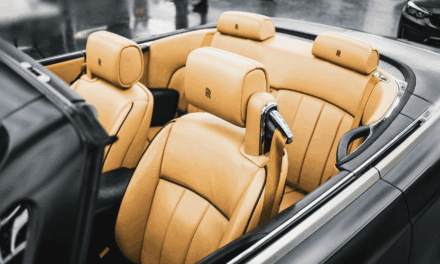
As AI becomes more integrated into daily life, the wine experience increasingly connects with smart technology beyond the table. Automotive brands like Volvo already use AI-driven systems to improve comfort, safety, and personalization, responding to context in real time (see Volvo and Fine Dining article). That same idea—technology quietly enhancing an experience rather than demanding all the attention—mirrors what we’re starting to see with wine discovery, pairing, and purchasing.
Looking ahead, I see these systems pointing toward a more connected lifestyle, where wine, dining, and technology increasingly cross paths. Voice assistants, contextual recommendations, and personalized suggestions could shape how and when we enjoy wine, whether at home, in a restaurant, or on the move. My personal opinion? Rather than replacing human expertise, smart technology can support better choices—for all of us newbies and winos. Because at the end of the day, AI might know what bottle I’m likely to pick next (and even predict what might appeal to my palate or sense of smell), but I’m still the one likely deciding whether it deserves a second glass.