



What Wine, Volvo, Rolls-Royce, and Fine Dining Have in Common
At first glance, wine, automotive brands like Volvo and Rolls-Royce, and the fine dining world may seem unrelated. And admittedly, putting all three in the same sentence might sound a little random. Yet these industries share a surprising number of values, from craftsmanship and heritage to innovation and long-term thinking—put an asterisk on that last one. When you look closer, their connection feels less accidental and more inevitable.
Shared Values: Craft, Patience, and Precision
Wine, luxury automobiles, and fine dining all rely on craftsmanship shaped over time. A great wine does not rush its development, just as a well-designed car or a refined dish reflects years of refinement and intention. In each case, quality depends on decisions made long before the final product reaches the consumer.
Precision also plays a defining role across these worlds. Winemakers focus on vineyard practices and blending choices, chefs refine techniques and sourcing, and automotive brands obsess over materials and engineering—although, to be fair, cars seem to be getting better at protecting us while some interior materials are getting better at pretending they’re luxurious. Despite this, small details matter, and consistency becomes a signature. As the designer Charles Eames famously said, “The details are not the details. They make the design.” And apparently that applies whether we’re talking about a chair, a car, or what’s eventually ending up in our wine glass.
Patience, “patience, patience” ties everything together. Fine wine improves with age, luxury cars are built to last, and exceptional dining experiences reward those willing to slow down and savor them. These industries appeal to people who value process as much as outcome, and who see excellence not as a moment, but as a discipline practiced over time. And if you like wine, I know you know exactly what I mean.
Volvo, Problem-Solving Design, and the Modern Wine Mindset
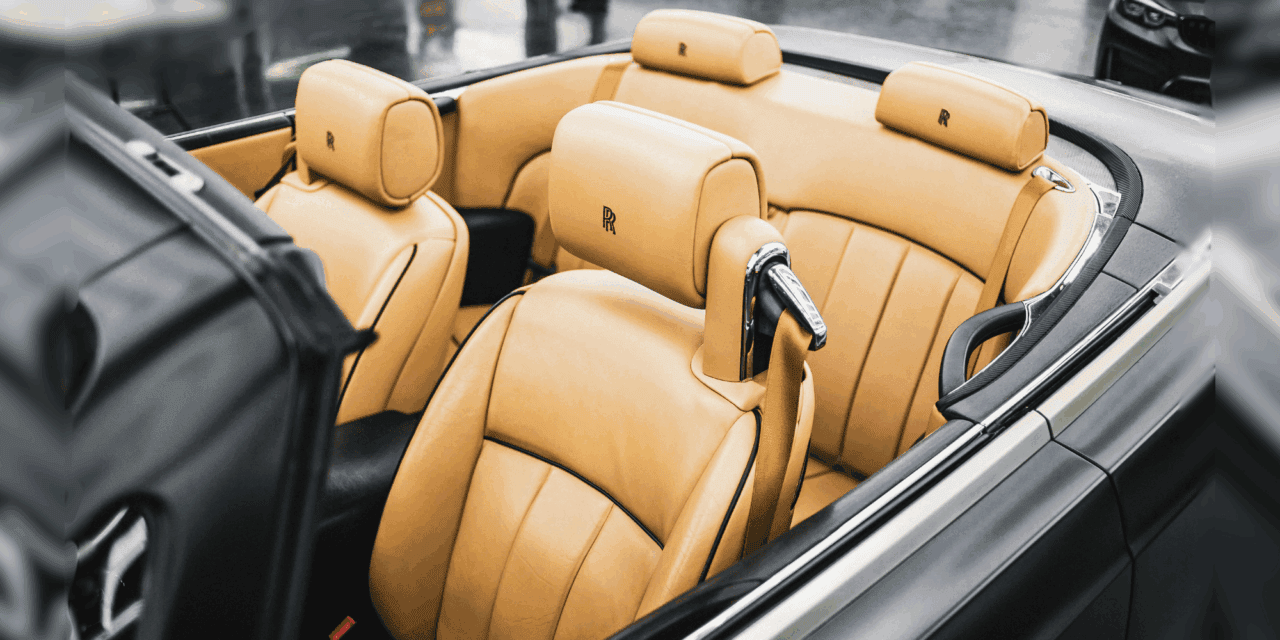
Volvo has long been known for addressing real-world problems through design, particularly when it comes to safety and comfort. One well-documented example is the brand’s focus on seat ergonomics, developed with input from medical professionals and designers to reduce fatigue and strain during long drives. The goal was not luxury for its own sake, but a better experience over time—something the driver feels (or in this case, “not feel”) after hours, not minutes.
Now, what exactly does a comfortable Volvo seat have to do with wine? More than I originally thought. Thinking again about ergonomics: when a seat properly supports your back during a long drive, you probably don’t spend much time thinking about it—you just notice three hours later, that… you’re still comfortable. Well, a similar mindset exists in the wine world, where small issues can significantly affect the dining experience. Problems such as cork taint, imbalance, or oxidation do not just impact the wine itself, but the moment it is served at the table. In response, producers have adjusted closures, refined blending decisions, and improved quality control, all with the same objective: consistency and reliability for the end consumer.
Both industries show how thoughtful intervention improves experience without drawing attention to itself. There’s really no marketing moment here. You’re probably not going to drive past a billboard saying, “Look how good our corks are!” Just as a well-designed car seat fades into the background while enhancing the journey, a well-made wine supports the meal without distraction. In fine dining, these invisible improvements matter most, because comfort, balance, and trust shape how the entire experience is remembered.
Rolls-Royce, Bentley, and the World of Prestige Pairings
Rolls-Royce and Bentley represent a level of luxury built on exclusivity, heritage, and personalization. These brands do not sell products alone; they curate experiences. From bespoke interiors to private unveilings, the focus remains on creating moments that feel rare and intentional.
That same philosophy extends into partnerships with wineries, luxury hotels, and exclusive restaurants. Private tastings, invitation-only dinners, and limited-production wines often form part of these collaborations. So yes, we’re officially very far from casually grabbing a bottle on the way home. The goal is not visibility at scale, but alignment with craftsmanship and storytelling. And this is where marketing gets interesting: instead of simply telling you a brand is luxurious, the experience is designed to make you feel it without having to say it quite so loudly. In other words, the story is happening around you instead of being told to you. These settings are where you realize wine becomes part of the brand narrative rather than a simple accompaniment.
We can compare this approach to a shift in how some high-end experiences are defined. Think logo-covered handbag to something made quietly to order, or simply getting the best table in the restaurant to being invited to a private dinner created around the experience. What once signaled luxury—access, price, or recognition—has evolved into something more personal. Today’s prestige lies in curated moments, where wine, dining, and design come together seamlessly. It’s an experience designed to feel a step beyond traditional luxury, because it prioritizes meaning over display.
Fine Dining: Where Wine and Luxury Culture Meet
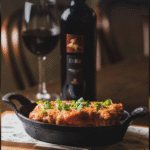
Fine dining sits at the intersection of wine knowledge, luxury brands, and, most importantly, experience-driven consumption. In this space, wine isn’t simply something you order alongside dinner; it’s part of what makes the whole thing feel like an occasion. Thoughtful wine lists, proper service, and context elevate the meal, turning dining into a curated experience rather than a transaction.
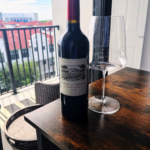
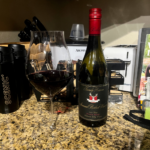
Michelin-starred restaurants are evaluated by anonymous inspectors who focus on factors such as ingredient quality, mastery of technique, harmony of flavors, and consistency over time. Think The Bear—no wonder Carmy was so stressed! While an extensive wine program is not a formal requirement for Michelin recognition, many high-end restaurants invest heavily in wine because it enhances the guest experience. I can feel the difference myself just grabbing a nice glass and drinking it in my very-not-Michelin-starred, currently disorganized closet—so yes, environment matters. Sommeliers play a crucial role by guiding selections, managing cellars, and ensuring wines complement the cuisine and service philosophy.
Luxury brands often align with fine dining establishments because restaurants provide a powerful storytelling platform—#ambiance. A Michelin-recognized or sommelier-driven restaurant reflects values such as precision, craftsmanship, and excellence—qualities shared by both premium wine producers and high-end automotive brands. Within these environments, association goes beyond visibility, focusing instead on context, credibility, and shared standards of quality that shape and reinforce the experience guests come to expect from the wine, the dining experience, and the luxury brand behind it. And maybe that’s ultimately what connects all three: the best luxury experiences don’t need every detail to announce itself. You simply notice when those details aren’t there.