



Plating and Wine Pairing: Is It Dinner or a Masterpiece?
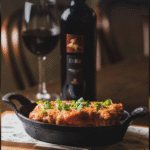
Have you ever sat down at a restaurant, ready to dive into your meal, only to pause and wonder… is this dinner or a work of art? Over the years, I’ve celebrated a few anniversaries with fancy nights out, and sometimes the plates looked so stunning, I almost felt guilty ruining the masterpiece!
The Art of Plating
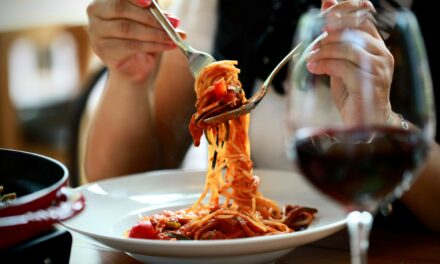
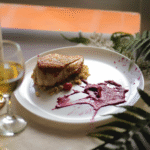
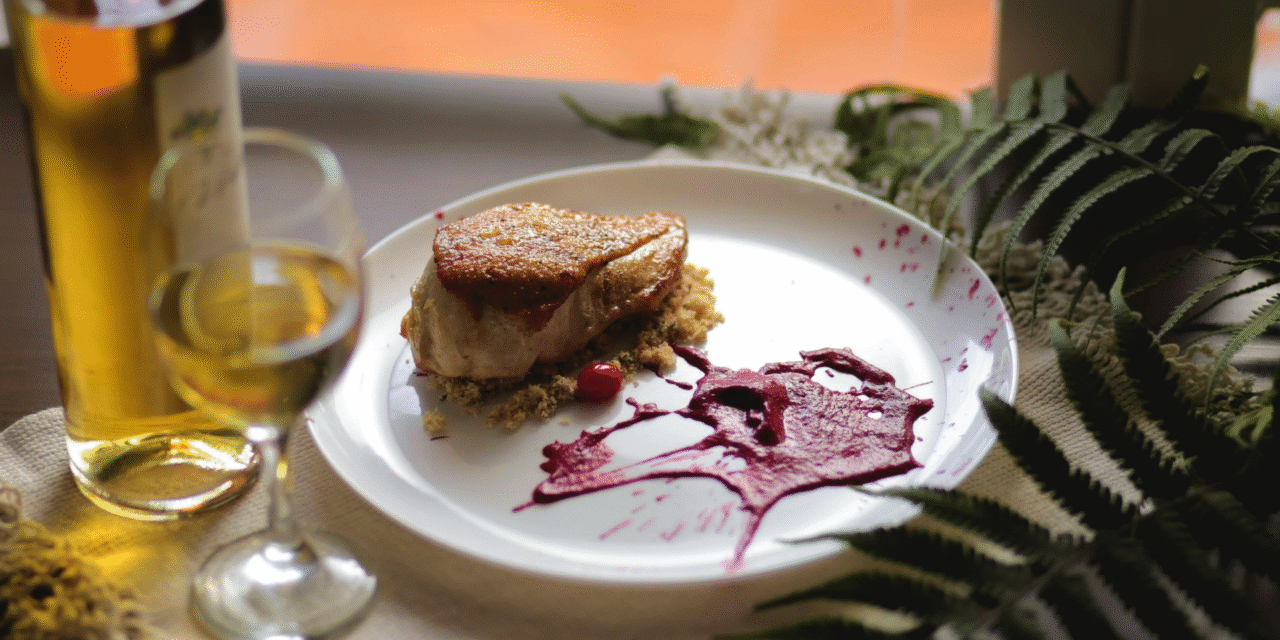
Chefs today elevate dining by turning simple ingredients into striking visual statements. Through careful color balance, texture contrast, and placement, every plate feels intentional and artistic.
For example, Michelin-starred chef Grant Achatz is famous for transforming food into visual masterpieces. The hit show “The Bear” also highlights how plating elevates dining, showing chefs treating presentation like storytelling. This trend reflects a growing appreciation for food as both art and experience.
The Wine Pairing Effect
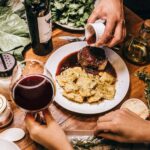
Why pairing with wine? Because wine is often the first choice when creating balance on a beautifully plated dish. Its acidity, body, and aromas interact naturally with food, enhancing flavors without overwhelming them. A crisp white, for example, brightens creamy sauces and delicate proteins like chicken or fish.
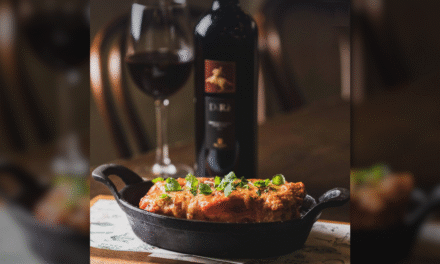
Chefs and sommeliers usually prioritize wine because it complements multiple elements on the plate simultaneously. When paired thoughtfully, wine creates harmony between the plate and the glass. Each sip enhances textures, highlights sauces, and draws attention to subtle seasoning details, making every bite feel intentional.
When Minimalism Speaks Volumes
Fine dining has long embraced the philosophy that less can be more. Over time, portion sizes have gradually become smaller. However, this reduction is intentional, not accidental. Chefs aim to highlight quality, artistry, and flavor without overwhelming the diner. Many upscale restaurants now offer tasting menus with multiple small courses, allowing guests to experience a variety of dishes in one meal.
Moreover, smaller portions serve several purposes beyond presentation. By focusing on plating and aesthetics, chefs transform food into visual statements, where colors, textures, and sauces shine. This approach also helps reduce food waste, minimizing excess production and supporting environmental sustainability. Additionally, high-quality ingredients are often expensive, and smaller portions help restaurants balance cost while maintaining a luxurious experience.
Finally, minimalism aligns with modern dining trends. Today’s diners value flavor complexity and artistry over sheer volume. Smaller portions encourage guests to savor textures, sauces, and subtle seasoning details rather than rushing through a large plate. This shift also reflects growing health-conscious attitudes, offering satisfying experiences without overindulgence. In essence, fine dining uses minimalism to create maximum impact — on the palate, the eye, and even the planet.
When Color Complements Flavor
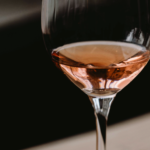
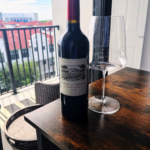
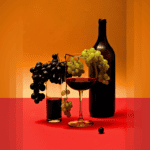
Chefs and sommeliers sometimes coordinate wine colors with sauces or desserts to create a striking visual balance on the plate. A deep ruby Rioja beside a dark berry glaze or a pale Sauternes with golden crème brûlée makes the experience more immersive.
Examples of visual wine pairings:
-
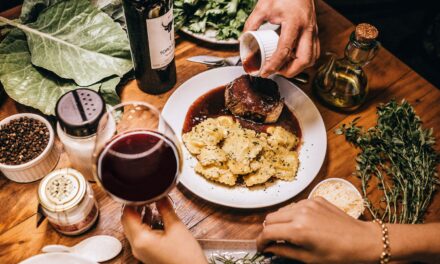
Ruby red wines with dark berry sauces — creating depth and richness on the plate.
-
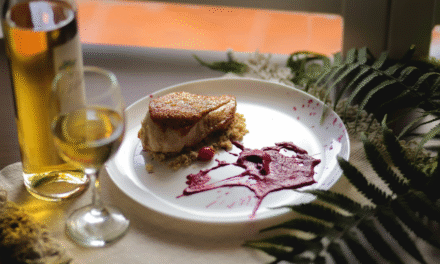
Golden whites with caramel or honey-based desserts — enhancing warm tones and elegance.
-
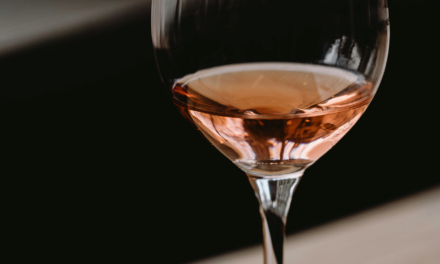
Rosé wines with blush-toned sauces or light fruit tarts — achieving a soft, harmonious aesthetic.
While flavor pairing remains the priority, visual harmony can enhance presentation and elevate the overall dining moment. Although pairing is usually based on flavor profiles, some sommeliers and chefs do consider wine color, especially at high-end restaurants where presentation and storytelling play a key role. It’s where artistry meets taste — transforming plating into a multisensory experience.
More Than Just a Plate
Some restaurants go beyond serving food — they create experiences. At places like Central in Lima, every dish is designed to tell a story. From vibrant colors to intricate plating, presentation becomes as important as flavor, turning each plate into a moment worth pausing for.
As sommelier Aldo Sohm once said, “Pairings are about balance — the wine and the dish should make each other shine.” It’s in these thoughtful details — from artistic plating to harmonious wine selections — that dining transforms into something memorable and deeply personal.
Whether masterpiece or meal, it’s the moments — the flavors, the pairings, the artistry — that make dining unforgettable.