






Blends Built for Power and Balance
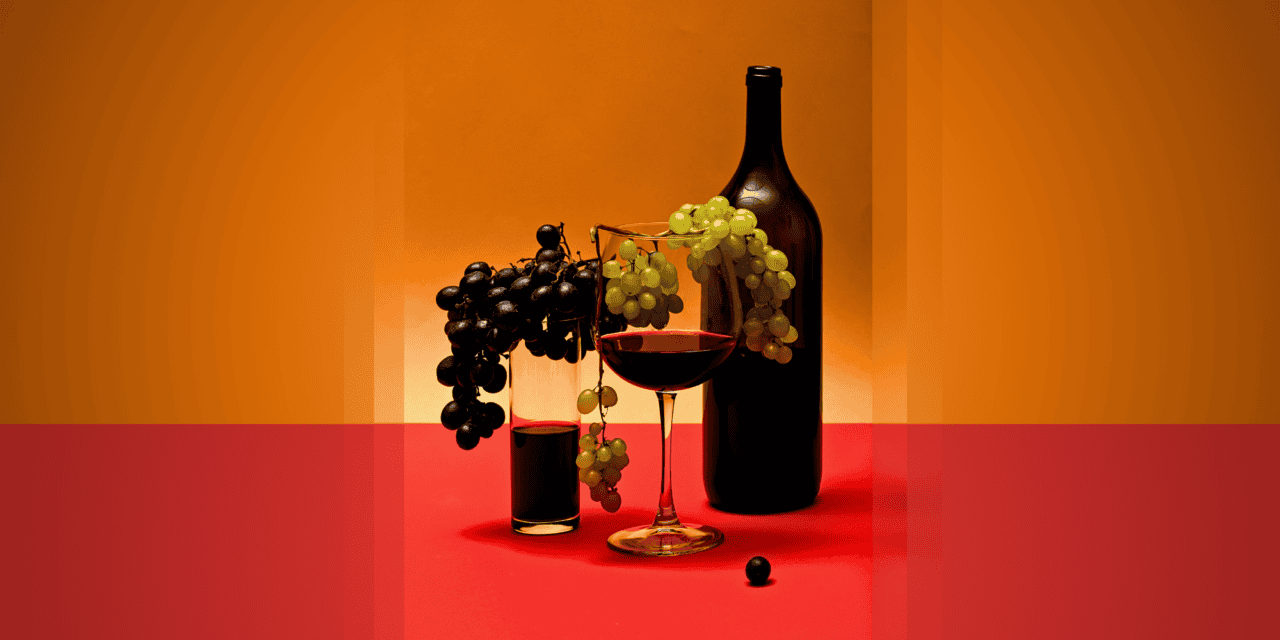
Wine blends play a major role in some of the world’s most respected and recognizable wines. Rather than relying on a single grape, blended wines bring together different varieties to create balance, structure, and depth. From classic Old-World styles to modern expressions, blending allows winemakers to build wines with both power and harmony.
What Are Wine Blends and Why Do They Matter?
A wine blend is made by combining two or more grape varieties into one finished wine. Each grape contributes something different—structure, aroma, acidity, or richness—allowing the wine to feel complete and balanced. Blending is not about hiding poor wine, but about enhancing strengths and creating a cohesive result—while also allowing flexibility when different grapes perform differently from vintage to vintage.
Some of the world’s most famous wines are blends, even when that fact is not always obvious on the label. Many classic regions rely on blending as a tradition, while modern producers use it as a creative tool. Whether bold or elegant, blends are designed to deliver consistency, complexity, and a sense of purpose in the glass.
Classic Old-World Red Blends
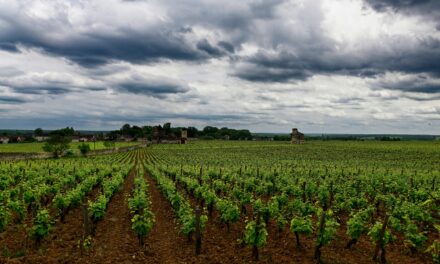
Some of the world’s most respected blended wines come from classic Old-World regions, where blending developed in response to climate, environment, and long-standing tradition. In Bordeaux, red blends typically combine Cabernet Sauvignon, Merlot, and Cabernet Franc, with each grape contributing structure, softness, or aromatic lift depending on the vintage. This flexibility is especially important in a maritime climate, where conditions vary year to year, a dynamic explored further in Bordeaux — The Rebel of Maritime Climates. These blends are built for balance and aging, offering depth without relying on a single variety.
In the Rhône Valley, blending takes a different but equally intentional approach. Southern Rhône wines often rely on Grenache, Syrah, and Mourvèdre (commonly known as GSM blends), creating wines that are bold, expressive, and layered. Grenache brings warmth and body, Syrah adds spice and structure, and Mourvèdre contributes depth and savory character, resulting in blends that feel powerful yet approachable.
Spain also has a long tradition of blending, particularly in regions like Rioja and Ribera del Duero. Tempranillo often forms the backbone, supported by grapes such as Garnacha, Graciano, or Mazuelo to add complexity and balance. Unlike GSM blends, however, there isn’t one familiar shorthand for these combinations—the identity of the region itself often tells more of the story.
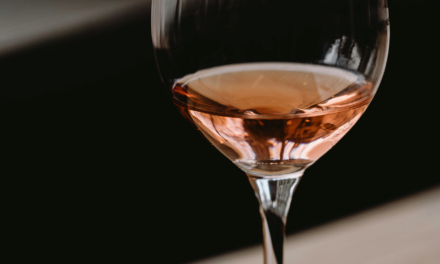
One distinction worth clearing up: not every wine made from multiple grapes is necessarily blended in the way we might imagine, with finished wines simply poured together at the end. Blending can happen at different stages of the winemaking process, depending on the producer and style. And despite what the color might suggest, rosé is usually not made by blending red and white wine together. Most rosés get their color through limited contact with red grape skins, with some notable exceptions—particularly in sparkling wine.
Modern Power Blends and New-World Expressions
Modern wine blends often focus on power, balance, and approachability, rather than strict tradition (such as AOC, AOP, or AVA frameworks). These wines are designed to deliver structure and richness while remaining enjoyable when young. Blending gives winemakers the freedom to shape texture, flavor, and balance in a more deliberate way.
Super Tuscans are one of the best-known examples of modern power blends. Although firmly Old World in origin, they emerged by stepping outside many of Tuscany’s traditional winemaking conventions. These wines often combine international grapes like Cabernet Sauvignon and Merlot with Sangiovese. The result is a bold yet polished style that brings together freshness, depth, and structure without being constrained by regional rules (unlike Bordeaux, for example).
Outside of Europe, many New-World red blends follow a similar philosophy. In places like California, Washington State, and Chile, blends are often labeled simply as “Red Blend.” These wines emphasize smooth texture, ripe fruit, and balance, making them accessible while still delivering presence and intensity.
White Wine Blends and Balance
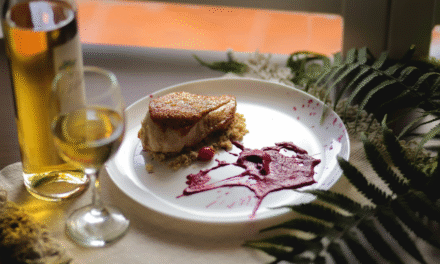
White wine blends are often built with balance and texture in mind rather than power alone. In Bordeaux Blanc, Sauvignon Blanc brings freshness and lift, while Sémillon and Muscadelle add body, roundness, and subtle aromatic complexity. Together, they create wines that feel structured yet vibrant, showing how blending can shape whites with both elegance and depth.
In the Rhône Valley, white blends commonly feature Viognier, Roussanne, and Marsanne. Each grape plays a role, contributing aromatics, richness, or structure, resulting in wines that feel layered and expressive without becoming heavy. Many New-World white blends follow a similar approach, combining freshness and weight to create versatile wines that work across seasons and occasions.
How Blends Create Power and Harmony at the Table
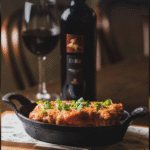
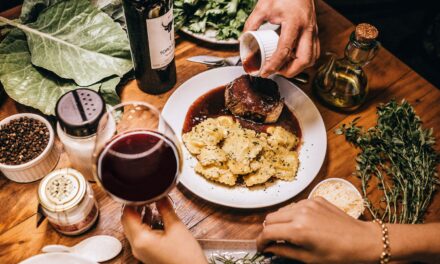
Blended wines shine at the table because they are designed to work in harmony. By combining grapes with different strengths, blends often deliver structure, freshness, and texture in a single glass. This balance allows them to adapt to a wide range of dishes, from rich meats to layered sauces, without overpowering the food.
Rather than following rigid rules, blends invite exploration—especially on the palate, where discovering and enjoying something new is part of the experience. Their built-in balance makes them forgiving and versatile, also because blends often vary from vintage to vintage, they reward curiosity and openness. When chosen thoughtfully, a well-crafted blend can elevate the meal while still letting the food take center stage—proof that power and harmony can coexist in the same bottle.