





Bordeaux — The Rebel of Maritime Climates
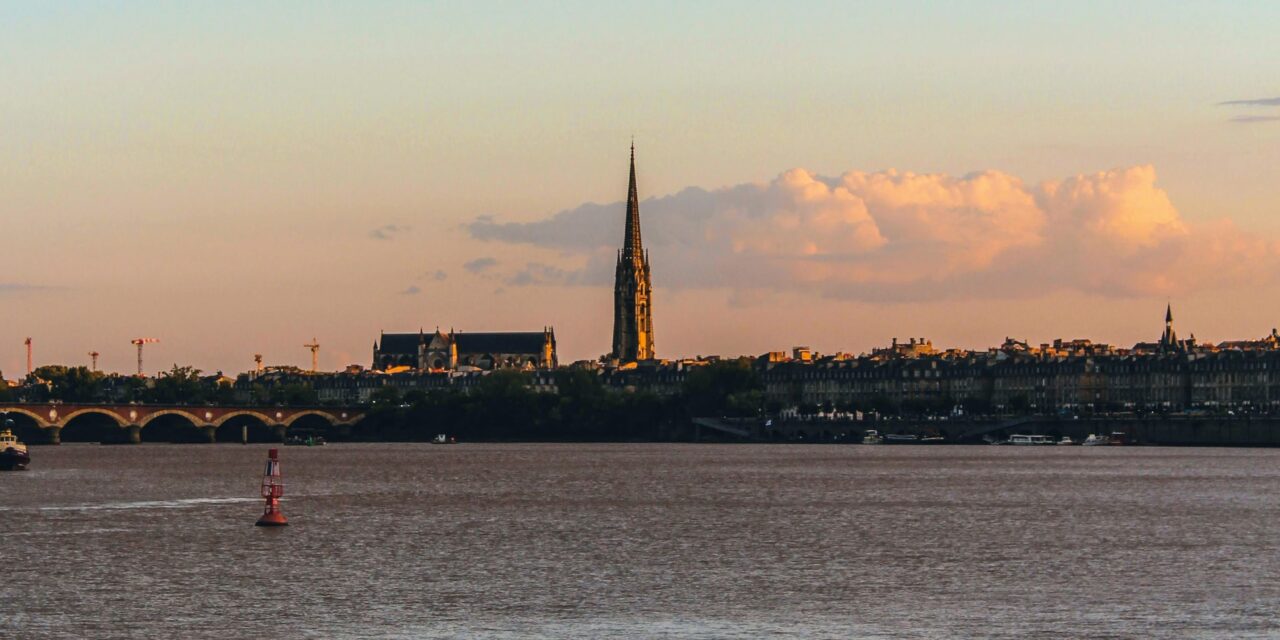
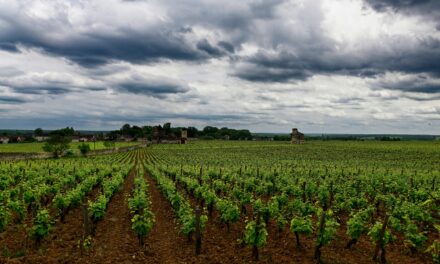
Bordeaux is not your average maritime wine region. Most maritime zones are too cool for Cabernet Sauvignon to ripen fully. Here, the Gironde estuary and Atlantic breezes create a balanced mix of warmth, moisture, and air circulation. This unique climate allows Bordeaux to grow powerful grapes while still keeping freshness and elegance in the glass. Unlike many other coastal regions, Bordeaux’s terroir welcomes bold reds instead of just crisp whites.
.
How the Gironde Shapes the Climate
The Gironde estuary acts like a giant climate moderator. It stores heat, then releases it slowly, protecting grapes from frost. It also channels breezes inland, reducing humidity and lowering the risk of vine diseases like mildew or rot. Because of this balance, Bordeaux vineyards can ripen Cabernet Sauvignon consistently — something unusual for a maritime climate. As a result, the region produces wines that combine structure, freshness, and ripe fruit, year after year.
Cabernet Sauvignon: Left Bank Star, Right Bank Guest
Cabernet Sauvignon thrives on the Left Bank of Bordeaux. Gravel soils drain well, reflect heat, and give grapes a steady ripening path. This terroir highlights Cabernet’s strengths: firm tannins, blackcurrant notes, and structure built to age gracefully. Meanwhile, the Right Bank tells a different story. Clay and limestone soils retain more water and stay cooler through the season. Here, Merlot takes the lead, softening blends with plush fruit and round textures. Cabernet Sauvignon still appears, but in smaller roles.
The fun part? Blends shift depending on the vintage. In warmer years, Cabernet Sauvignon shines more, even on the Right Bank. In cooler years, Merlot dominates, helping ensure wines remain balanced and approachable. This flexibility keeps Bordeaux exciting to follow.
Why Other Maritime Regions Struggle with Cabernet
Maritime climates usually mean mild winters, cool summers, and steady rain. For Cabernet Sauvignon, that mix is more challenge than opportunity. The grape ripens late, and without enough warmth, it can taste green, thin, or harsh in tannins.
Look at the Loire Valley for example. Its maritime influence favors lighter reds like Cabernet Franc, which ripens earlier than Cabernet Sauvignon. The UK shows a similar pattern. Maritime weather there is perfect for sparkling wines but rarely warm enough for late-ripening grapes. Bordeaux breaks this rule thanks to its unique geography. The Gironde estuary and gravel soils create small pockets of extra heat.
These microclimates give Cabernet Sauvignon just enough ripening power while still holding freshness from maritime breezes. This balance is rare. Other maritime regions may someday catch up as the planet warms, but for now, Bordeaux stands almost alone. It proves that terroir and geography can flip the script on what grapes should, or should not, grow in coastal climates.
Cabernet’s Perfect Fit in Bordeaux
Cabernet Sauvignon is not an easy grape. It ripens late, needs warmth, and punishes growers if picked too early. Bordeaux is one of the rare places where climate and terroir meet those needs almost perfectly. The grape’s thick skins handle Atlantic humidity better than many others, lowering the risk of rot and disease. Gravel soils on the Left Bank soak up sun, reflect heat, and help Cabernet achieve ripeness without losing acidity.
Meanwhile, maritime breezes keep vineyards from overheating, giving wines balance and freshness even in warm years. This delicate equilibrium explains why Cabernet Sauvignon in Bordeaux delivers both power and longevity. It is structured enough to age for decades, yet lively enough to remain elegant. Few other maritime regions can copy this balance.
Climate Pressure and Shifts in Europe
Bordeaux has always been vintage-sensitive. Some years favor Cabernet; others lean on Merlot to balance ripeness. Now, climate change is reshaping that rhythm, pushing Cabernet into fuller, sometimes hotter, expressions. This trend is not isolated. Germany is planting more Pinot Noir and Chardonnay as Riesling shifts uphill. Italy sees harvests starting earlier, while Sicily and Trentino push vines to higher elevations. Spain’s Rioja is trialing new grapes, and Galicia’s Albariño risks overripeness if summers stay warm. Even Switzerland is experimenting with Syrah and Merlot in areas once too cool.
Across Europe, the message is clear: producers are making real changes to keep pace with the climate.
A Flexible Future Beyond France
Other maritime regions may soon share Bordeaux’s story. Southern England, once too cold, now ripens Pinot Noir for still wines in warmer years. Portugal’s coastal vineyards also adapt quickly. With looser DO rules, growers can try dozens of varieties and adjust faster than France. By contrast, France’s AOC system evolves slowly. Bordeaux recently approved new grapes like Touriga Nacional, but only in small amounts. This delay leaves French winemakers with fewer immediate tools, even as the climate shifts under their feet.
So, will Bordeaux remain the lone rebel of maritime climates, or will warming make it just one of many? That is the open question — and the answer may decide whether Cabernet stays Bordeaux’s calling card in the decades ahead.