



White Wines Worth Slowing Down For
…more than just “easy”
White wine often gets described as simple, refreshing, or something you drink without thinking too much — and honestly, that’s part of its charm. It’s welcoming. It doesn’t demand attention the way some bold reds do, which is exactly why so many people start their wine journey with white wines. But that ease can sometimes cause us to rush past what makes them interesting in the first place.
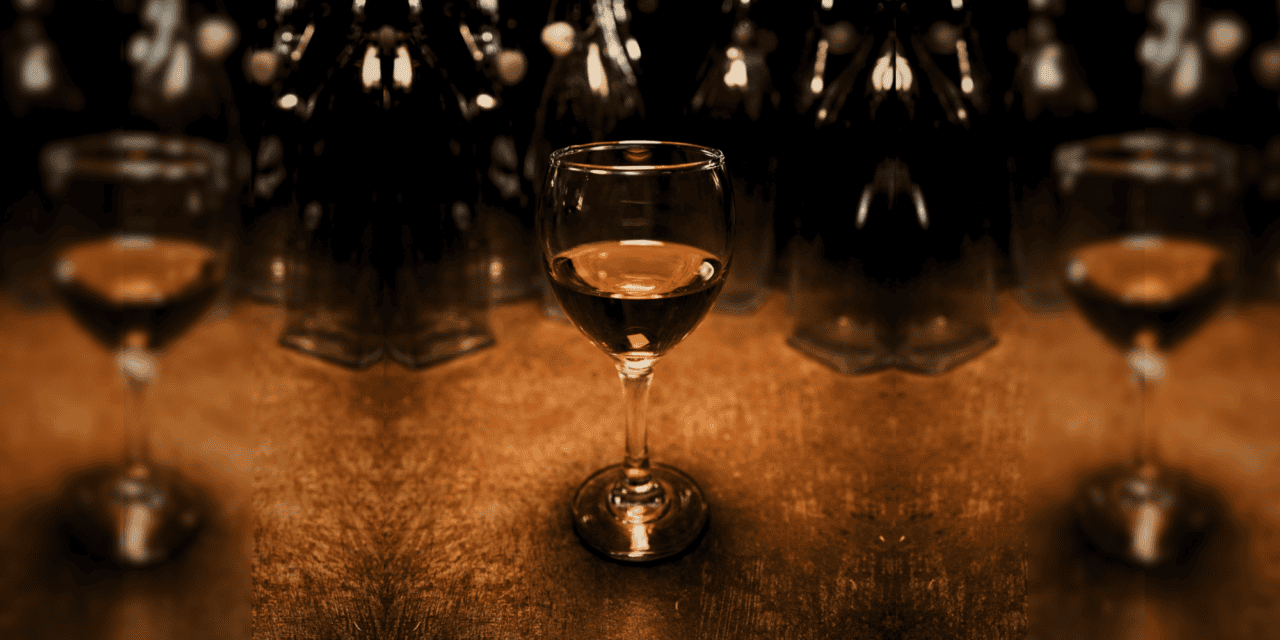
When you slow down just a little, white wines start to show their layers — and personality. The aromas shift as the glass warms. The texture becomes more noticeable. What first tastes bright and straightforward can turn layered and expressive by the second or third sip, turning drinking into tasting. Once you do this more often, you realize that tasting isn’t about overanalyzing — it simply means giving the wine its moment to speak.
White Wine Doesn’t Just Have One Expression
It’s easy to think of white wine as a single category, but it’s really a wide spectrum of styles. Some whites are crisp and light, others are round and textured. Some feel sharp and refreshing, while others feel soft and comforting. Even wines made from the same grape can taste completely different depending on where they’re grown and how they’re made.
Take Pinot Gris and Pinot Grigio, for example. On paper, they’re the same grape — but in practice, they can feel worlds apart. A California Pinot Gris might lean fuller and fruit-forward, while an Italian Pinot Grigio often feels lighter and more linear. The same goes for terroir: a Chardonnay from California can express warmth and ripeness, while one from Burgundy may feel restrained, mineral, and quietly complex. Weather, vintage, and environment all play a role, especially with white wines, where subtle changes show up clearly in the glass.
Texture: The Quiet Part of White Wine
Texture is one of those things you might not notice right away, but once you do, it’s hard to unfeel. It’s the difference between a wine that feels crisp and light versus one that feels smooth, rounded, or even a little creamy. Texture isn’t about flavor as much as it is about how the wine sits on your palate — and white wines are especially good at showing these subtle shifts.
A lot of texture comes from winemaking choices. Wines that spend time on their lees (the leftover yeast after fermentation) often feel softer and more layered, even if they’re still fresh. Oak aging can add weight and a gentle richness, while stainless steel tends to keep things clean, bright, and focused. None of these choices are better than the other — they just create different experiences in the glass.
Grape variety plays a role too. Some grapes, such as Sauvignon Blanc, Albariño, or Pinot Grigio, naturally lean toward a lighter, sharper feel, while others like Chardonnay, Chenin Blanc, or Viognier carry more body and roundness even without oak. When you slow down and pay attention to texture, white wines start to feel less interchangeable and more personal. It’s often this quiet, tactile quality — not bold flavor — that makes certain wines stand out and keeps you thinking about them long after the glass is empty.
Where a White Wine Comes From Really Shows
White wines tend to reflect their environment in quieter ways, but that doesn’t mean it’s less important. Climate, weather, and even the growing season can gently shape how a wine feels and tastes. A cooler area might bring more freshness and tension, while warmer regions often produce wines that feel riper and more generous. With white wines, these differences don’t shout — they whisper.
This is why two wines made from the same grape can feel so different depending on where they’re grown. A California white might express sunshine and openness, with riper fruit, softer edges, and a more generous feel, while a Burgundy white may lean more restrained and mineral, shaped by cooler temperatures, firmer structure, and a sense of precision. Neither is better; they simply tell different stories. White wines are especially sensitive to their surroundings, which makes them a great way to explore how place shows up in the glass.
Vintage matters too, sometimes more than people expect. A warmer year can bring softer acidity and fuller texture, while a cooler vintage may feel brighter and more precise. Slowing down with white wine gives you space to notice these small shifts. Over time, you start to recognize patterns — and that’s often when drinking quietly turns into tasting without even trying.
The Wines You Remember Are Rarely Rushed
The white wines that stay with us are often tied to a moment rather than a label. They’re the ones we slowed down for — maybe poured with a meal, shared with someone, or revisited after the glass had time to open up. They don’t have to be expensive or rare. More often, they’re memorable because we were present enough to notice how they changed, how they felt, and how they fit into that moment. Simply letting the experience unfold; white wines, more than most, reward that kind of quiet attention.
If you’re curious to explore white wines this way, start small. Try two different styles side by side, or revisit a wine you’ve had before and see if it feels different this time. Below, some great white wines you should give a try:
Domaine Foucher LeBrun Sancerre Le Mont
Mucchietto Soave DOC Organic
Mer Soleil Reserve Chardonnay
Château Tour de Mirambeau Bordeaux Blanc